November 20, 2026 · 3 min read · Botanical Sessions / Charleston / Puppies
Botanical Dog Sessions in Charleston: What to Expect
By Happy Owner Happy Dog
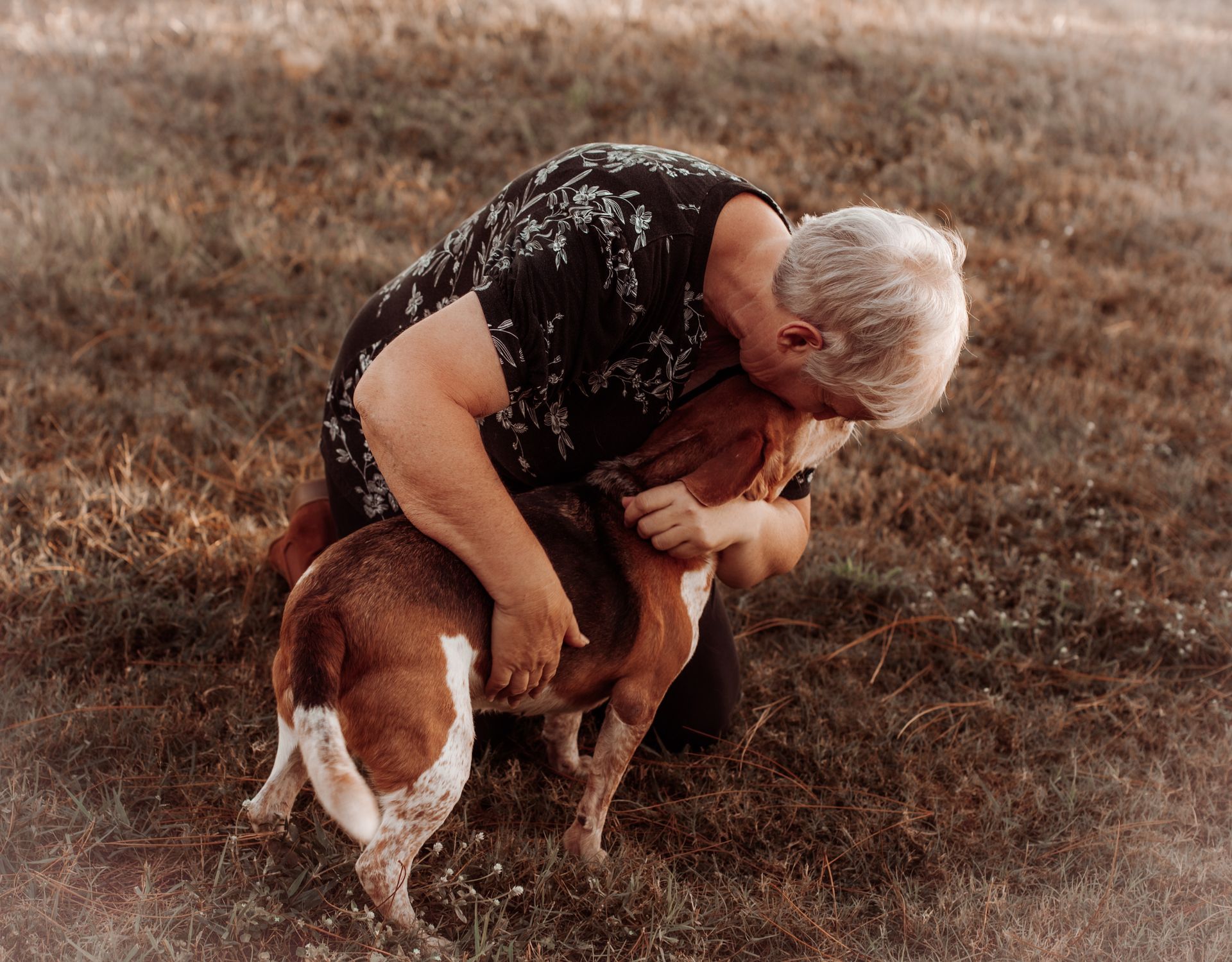
Happy Owner Happy Dog offers canine botanical self-healing sessions with Heather Szasz in Charleston, South Carolina. Sessions explore a dog's responses to botanicals and help owners notice their dog's body language. They are offered alongside in-home dog and puppy training, not as a replacement for veterinary care or teaching everyday skills.
If you have heard the word zoopharmacognosy, you may be wondering what it means in practice. In this service, the focus is guided observation and discussion of responses to plant materials. A dog's interest in a scent is not a diagnosis, proof of a deficiency, or a guarantee that a substance is safe.
What happens during a botanical session?
Heather's initial session lasts two hours and includes education about presenting botanicals and reading a dog's responses. The service description includes hydrosols, essential oils, algae and grasses. Ask Heather which materials would be considered for your dog and discuss them with your veterinarian before exposure.
Before booking, share your dog's age, health history, medications and what you want help with. For a puppy, include their usual routine, rest, toilet habits and any worries about handling or settling. That information helps keep the conversation focused on your individual dog rather than a one-size-fits-all remedy.
How does this fit alongside puppy training?
Heather integrates botanical sessions with her broader work with dogs and their owners. Puppy training still means practising skills: toilet routines, settling, comfortable handling and responding to cues. Botanicals should not be presented as a shortcut that teaches those behaviours or as a proven cure for fear, barking or biting.
Ask whether an in-home training session, a botanical session, or a combination is the right starting point. If a behaviour changes suddenly, your veterinarian should check for pain or illness before it is treated as a training problem.
Are essential oils suitable for every dog?
No. The ASPCA warns that concentrated essential oils can harm pets and advises against applying them directly. VCA notes that puppies and dogs with liver disease are more sensitive to their effects. Natural does not automatically mean safe, and allowing a dog to choose does not remove the risk.
Do not give your dog oils to swallow, apply concentrated oils to their skin or improvise a diffuser routine based on a blog. Ask your veterinarian about your dog's specific situation. If you suspect exposure or poisoning, contact a veterinarian promptly rather than waiting for a training appointment.
What does it cost, and where are sessions offered?
The botanical service lists an initial two-hour session at $160 and additional sessions at $120. In-person sessions may take place at your home or a local facility; Zoom sessions are available for owners outside the area. Confirm availability, location and suitability during your free consultation.
For Charleston owners, the next step is a conversation with Heather about your dog and your goals. For owners elsewhere in South Carolina, ask about Zoom rather than assuming in-person travel is available statewide.
Questions to bring to your consultation
Ask what botanical training Heather has completed, which materials she would consider, how your dog can decline contact, and how the session is coordinated with your veterinarian's advice. Ask how any proposed botanical work relates to the practical training plan and what progress you will track at home.
Sources & further reading
- ASPCA: The Essentials of Essential Oils Around Pets
- VCA: Essential Oil and Liquid Potpourri Poisoning in Dogs
General education only. Consult your veterinarian for advice about your dog's health.
Want help with your own dog?
Book a Free Consult